Atlas Mountain Trekking
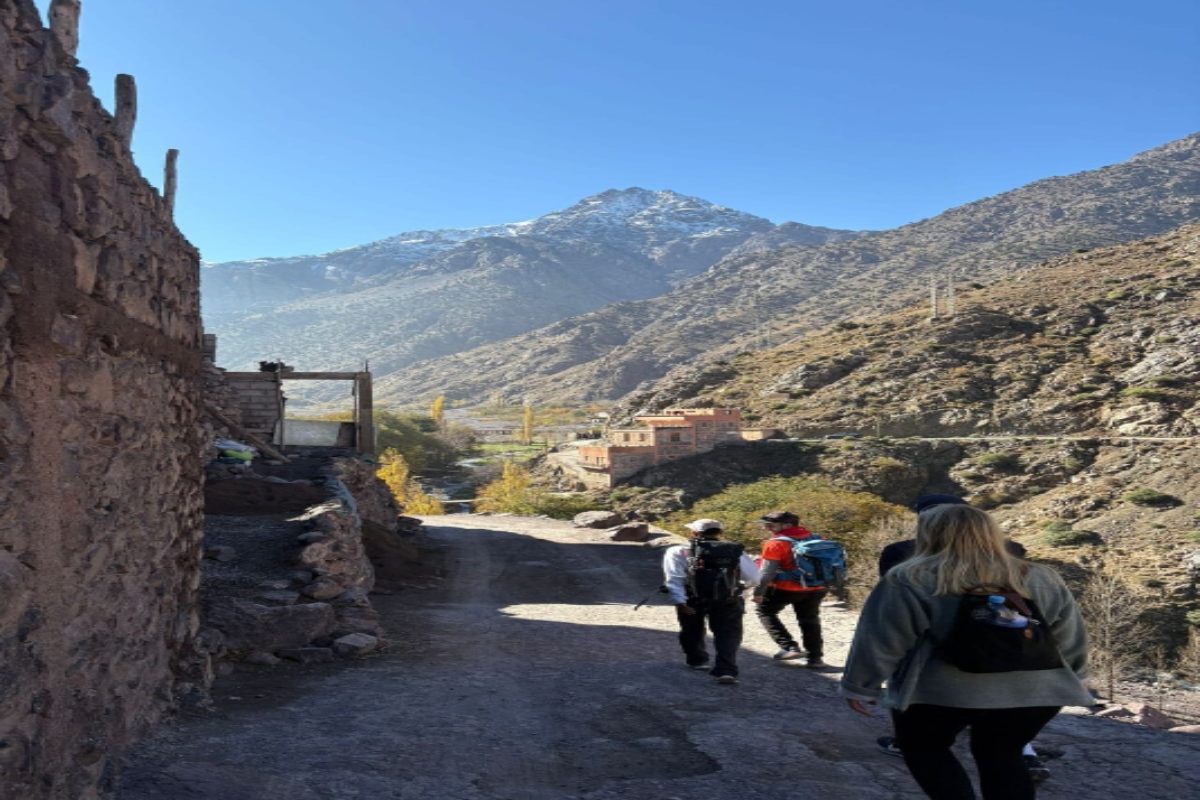
Atlas Mountain trekking is one of the most rewarding outdoor experiences in Morocco. Stretching across the country for over 2,500 kilometers, the Atlas Mountains offer breathtaking landscapes, traditional Berber villages, snow-capped peaks, deep valleys, and unforgettable hiking trails.
Whether you’re planning a day hike from Marrakech or a multi-day expedition to Mount Toubkal, Atlas Mountain trekking provides an incredible opportunity to discover Morocco’s natural beauty and rich cultural heritage.
Why Choose Atlas Mountain Trekking?
The Atlas Mountains attract thousands of hikers and adventure travelers every year for several reasons:
- Stunning mountain scenery
- Authentic Berber cultural experiences
- Trails suitable for all skill levels
- Diverse wildlife and landscapes
- Accessible trekking routes from Marrakech
- Opportunity to summit North Africa’s highest peak
Unlike crowded trekking destinations, the Atlas Mountains still offer many untouched trails where visitors can enjoy nature and local hospitality.
Where Are the Atlas Mountains?
Atlas Mountains stretch across North Africa and are divided into three main regions:
High Atlas Mountains
The High Atlas is Morocco’s premier trekking destination. It contains the country’s highest peaks and the famous Mount Toubkal.
Middle Atlas Mountains
Known for cedar forests, lakes, and cooler temperatures, this region offers scenic hiking opportunities and wildlife viewing.
Anti-Atlas Mountains
The Anti-Atlas features dramatic rock formations, desert landscapes, and less crowded trekking routes.
Best Atlas Mountain Trekking Routes
1. Mount Toubkal Trek
Mount Toubkal stands at 4,167 meters and is the most popular trekking destination in Morocco.
Highlights:
- Highest mountain in North Africa
- Incredible panoramic views
- Challenging yet achievable climb
- Suitable for fit beginners with a guide
Duration: 2–3 days
Imlil Valley Trek
Imlil serves as the gateway to many Atlas Mountain adventures.
Highlights:
- Traditional Berber villages
- Walnut groves and terraces
- Family-friendly trails
- Easy day hikes
Duration: Half day to full day
Azzaden Valley Trek
The Azzaden Valley is famous for its beautiful scenery and authentic mountain villages.
Highlights:
- Waterfalls
- Mountain passes
- Traditional guesthouses
- Stunning valley views
Duration: 2–4 days
Mgoun Massif Trek
M’Goun offers a more remote trekking experience.
Highlights:
- Less crowded trails
- River crossings
- Deep gorges
- Spectacular mountain landscapes
Mgoun Massif Trek
M’Goun offers a more remote trekking experience.
Highlights:
- Less crowded trails
- River crossings
- Deep gorges
- Spectacular mountain landscapes
Duration: 4–7 days
Best Time for Atlas Mountain Trekking
Spring (March to May)
Spring is considered one of the best seasons for Atlas Mountain trekking.
Benefits include:
- Mild temperatures
- Green valleys
- Wildflower blooms
- Clear mountain views
Summer (June to August)
Higher-altitude treks remain comfortable during summer, although lower valleys can become hot.
Autumn (September to November)
Another excellent trekking season with:
- Pleasant weather
- Stable trail conditions
- Beautiful autumn colors
Winter (December to February)
Winter trekking is possible but often requires specialized equipment for high-altitude routes like Mount Toubkal.
What to Pack for Atlas Mountain Trekking
Proper preparation ensures a safe and enjoyable experience.
Essential Gear
- Hiking boots
- Waterproof jacket
- Warm layers
- Trekking poles
- Sun protection
- Backpack
- Reusable water bottle
- First aid kit
Optional Items
- Camera
- Power bank
- Headlamp
- Sleeping bag for multi-day treks
Atlas Mountain Trekking Difficulty Levels
Easy Treks
Ideal for beginners:
- Imlil Valley walks
- Village-to-village hikes
- Short nature trails
Moderate Treks
Suitable for hikers with some experience:
- Azzaden Valley Trek
- Multi-day village routes
Challenging Treks
Recommended for experienced hikers:
- Mount Toubkal Summit
- Mgoun Circuit
- Winter ascents
Cultural Experiences During Atlas Mountain Trekking
One of the most memorable aspects of trekking in the Atlas Mountains is meeting the local Berber communities.
Visitors can:
- Stay in traditional guesthouses
- Enjoy homemade Moroccan meals
- Learn about Berber customs
- Visit local markets
- Experience mountain hospitality
These cultural encounters make Atlas Mountain trekking much more than a hiking adventure.
Guided vs Independent Trekking
Guided Trekking
Advantages:
- Local expertise
- Increased safety
- Cultural insights
- Route planning assistance
Independent Trekking
Advantages:
- Greater flexibility
- Lower costs
- Self-paced exploration
For high-altitude routes such as Mount Toubkal, hiring a guide is strongly recommended.
How Much Does Atlas Mountain Trekking Cost?
Typical expenses include:
| Item | Average Cost |
|---|---|
| Day Trek | €30–€80 |
| Multi-Day Trek | €150–€500+ |
| Local Guide | €25–€60 per day |
| Mountain Refuge | €15–€30 per night |
| Transportation from Marrakech | €10–€40 |
Prices vary depending on group size, season, and trekking package.
Safety Tips for Atlas Mountain Trekking
To stay safe during your adventure:
- Check weather forecasts.
- Stay hydrated.
- Trek with a local guide when necessary.
- Carry sufficient supplies.
- Respect local customs.
- Allow time for altitude acclimatization.
- Inform someone of your trekking plans.
Frequently Asked Questions
Is Atlas Mountain trekking suitable for beginners?
Yes. Many routes around Imlil and nearby valleys are beginner-friendly.
How long does the Mount Toubkal trek take?
Most trekkers complete the journey in 2 to 3 days.
Do I need a guide?
A guide is highly recommended for remote and high-altitude routes.
What is the highest mountain in the Atlas Mountains?
Mount Toubkal is the highest peak at 4,167 meters.
Can I trek year-round?
Yes, but spring and autumn offer the most favorable conditions.
Conclusion
Atlas Mountain trekking combines breathtaking scenery, rich Berber culture, and unforgettable adventure. From gentle valley walks to challenging summit climbs, the Atlas Mountains offer something for every traveler. Whether you’re aiming to conquer Mount Toubkal or explore hidden mountain villages, a trekking experience in Morocco will leave lasting memories and a deeper appreciation for one of North Africa’s most spectacular landscapes.


